We test the technology on ourselves — and publish what breaks.
Lab is where the studio spends its own money. No client, no brief, no deadline but ours. Every experiment is published with what it proved, what it failed to prove, and the numbers behind both. A studio that shows only its wins is a studio you cannot calibrate.
EXP 01 · VIRTUAL PRODUCTION · 2025
VAQT — a volume test
What we tested
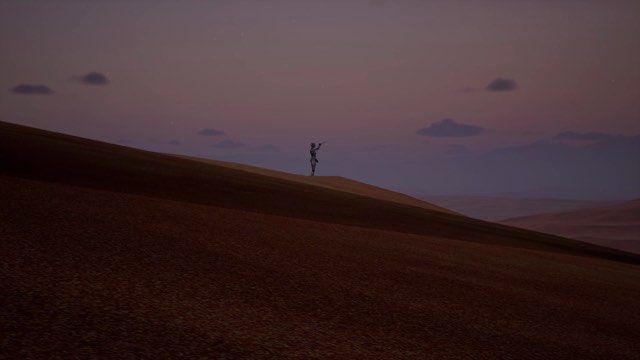
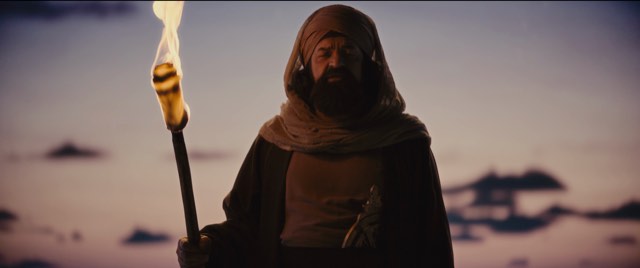
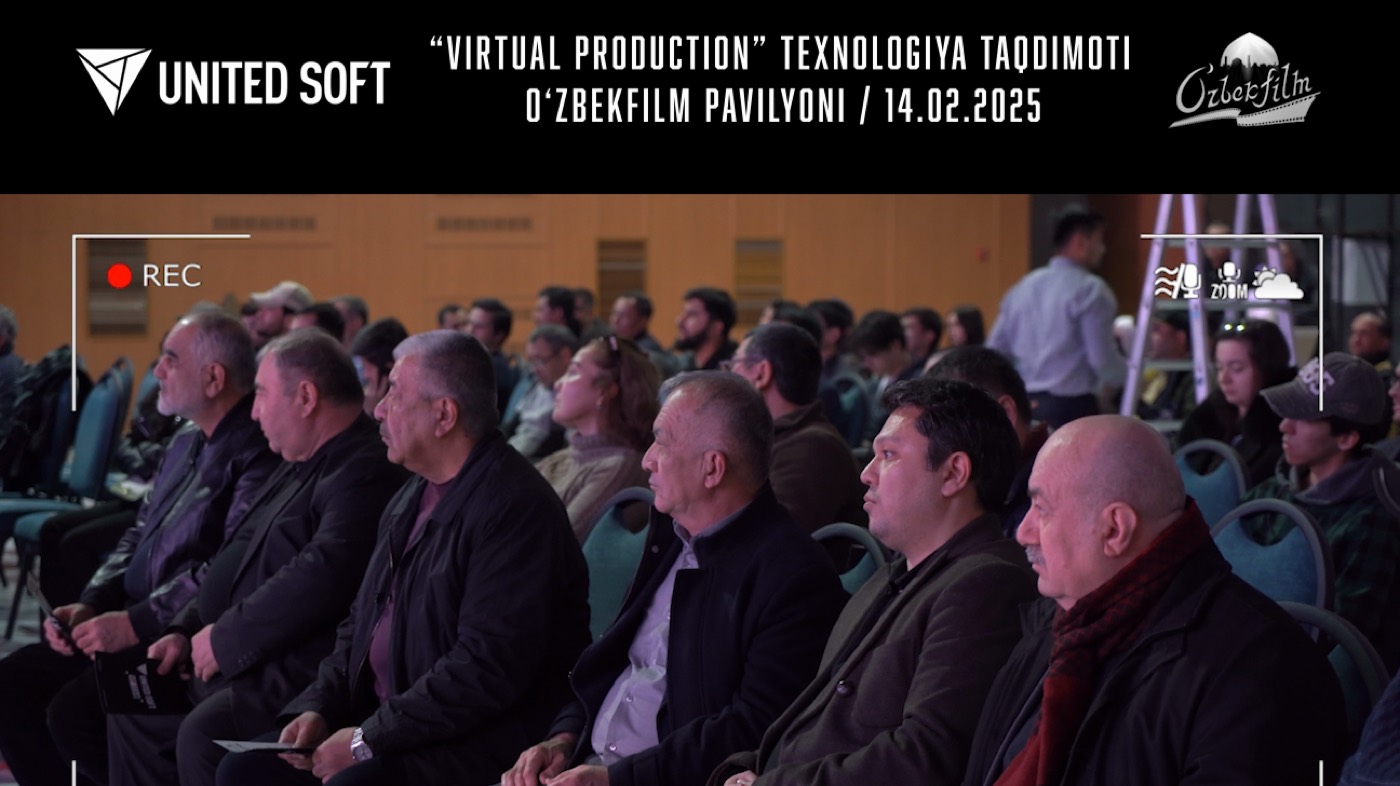
Whether a small team could run a full virtual production cycle — an LED volume, real-time in-camera VFX — and put four different classes of shot into one short film: a digital creature with a chase, an abstract void, a historical exterior and a dialogue interior. The film was made to be shown to the Uzbek film community as a demonstration of what the technology can actually do here.
What it proved
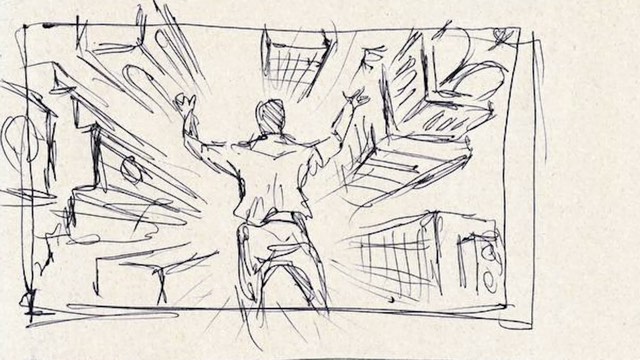
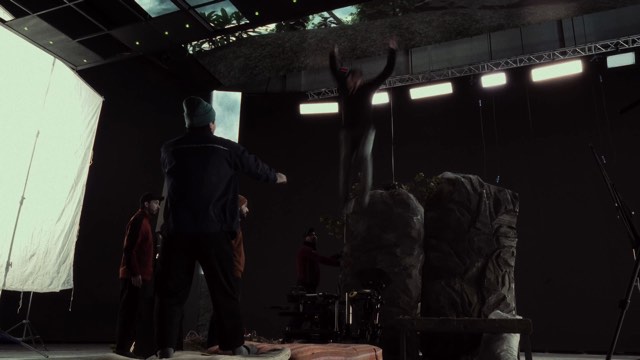
The pipeline holds. Four classes of shot, one volume, one small crew, from drawn boards through previz layout to final master. The backstage is cut into the end of the film itself — the object demonstrates its own method. And the layout survives: you can watch the previz and the finished film side by side, which is the thing every client asks for and almost nobody can show.
What it did not prove
That it is a good short film. Our own breakdown scores it 8/10 as a technology demo and 6/10 as cinema. The story leans on the oldest trick there is — it was all a dream — there is no antagonist, and 47% of the running time is a lecture in a classroom while the sage who carries the whole theme gets seventeen seconds. We publish that verdict because a lab that reports only successes is advertising, not a lab.
What happens next
The findings are already in development. The dream stops being a dream: the artifact stays in the hero's hands after he wakes. The sage becomes a person instead of a function. A sequel is in preparation.
On 14 February 2025 the technology was presented at the O'zbekfilm pavilion. The film was screened — and then the «Bobur» scene was performed and shot in real time in front of the room: an actor on the volume, the sunset built live behind him. A film can be finished in post; a scene played live in front of a hall of professionals cannot. Scene directed by Fuadbey Kopadze, stage and equipment by O'zbekfilm, graphics and budget by United Soft.
EXP 02 · MEDIA · TURKISH
Süret — a pipeline test
What we tested
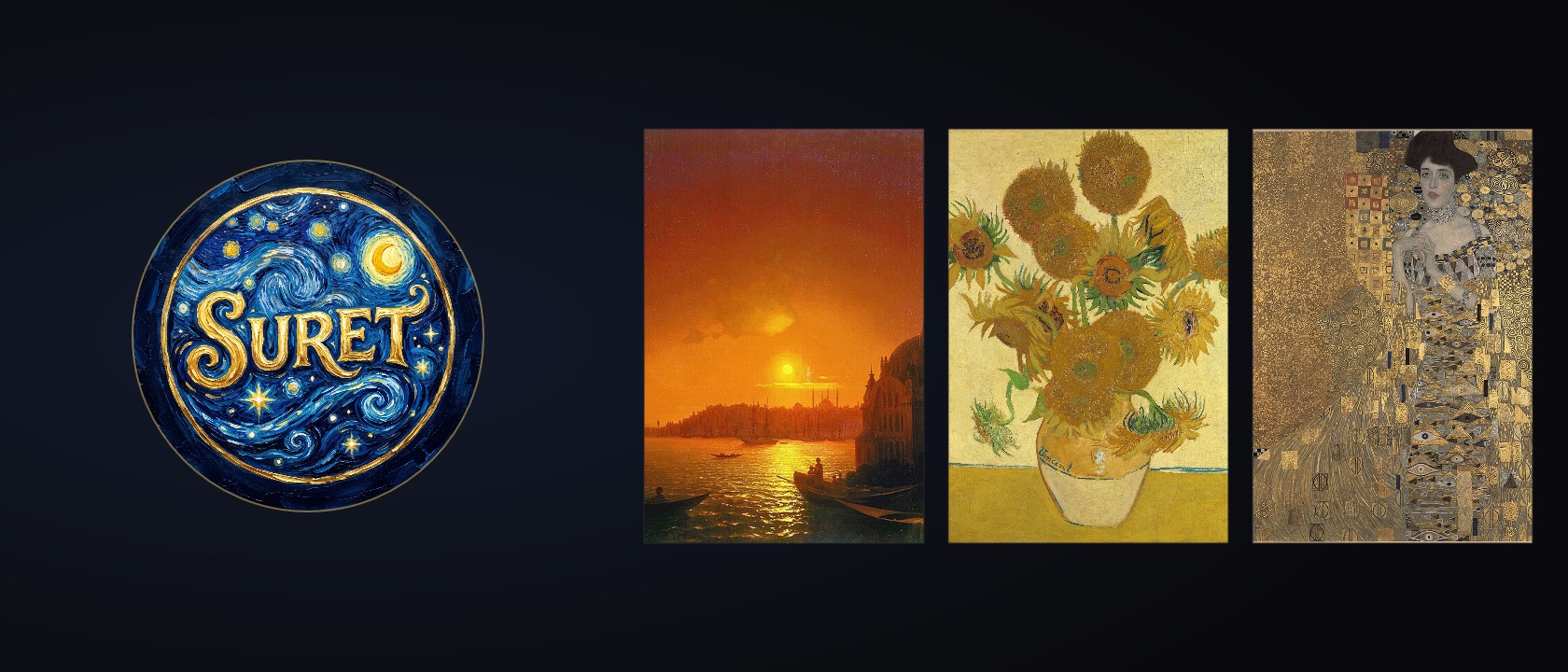
Not a film this time — a publication. Süret is a Turkish-language media about art history: vertical films that set paintings in motion, and photo essays about the painters behind them. The studio built it, and the studio runs it.
What it proved
That a studio can run a publication, not only deliver a film. Süret holds a weekly rhythm across two formats, on a budget a single conventional shoot would spend in an afternoon. What it also proved is where the real work sits: not in the pipeline but in the editorial — every fact checked against museum sources, every attribution stated as it is, however much a looser version would travel better.
What it did not prove
The opening. The pipeline holds and the writing holds; what is still unsolved is the first three seconds — how a piece about a painting earns attention before it has had time to explain itself. That is the round we are in now, and we publish it unresolved because that is what a lab is for.
What happens next
A second season built around the opening rather than the subject: the same painting introduced three different ways, measured against itself. The pipeline is settled — now it has to earn the first three seconds.
Every result lands here — including the ones that do not flatter us. If you want the same layout-before-production discipline on your film, that is what a previz is.
 EXP 01 · VIRTUAL PRODUCTION · 2025